

Hey there, fellow plant lovers! I'm a supplier of cement flowerpots, and I often get asked about what plants are suitable for these sturdy and stylish containers. Well, you're in the right place because today, I'm gonna spill the beans on some great plant choices for cement flowerpots.
First off, let's talk a bit about cement flowerpots. They're heavy-duty, which means they won't tip over easily, especially when you have larger plants. They also have a rustic charm that can add a touch of elegance to any space, whether it's your backyard, balcony, or even indoors. Plus, they come in various shapes and sizes, like the Big Cement Flower Pot and the Round Cement Flower Pot, so you can find the perfect one to fit your plant and your aesthetic.
Succulents and Cacti
Succulents and cacti are an absolute match made in heaven for cement flowerpots. These plants are known for their ability to store water in their leaves, stems, or roots, which means they don't need a whole lot of watering. Cement flowerpots are porous, which allows for good air circulation and drainage, preventing the roots from sitting in water and rotting.
Some popular succulents that do well in cement pots include Echeveria, Sedum, and Haworthia. Echeverias have these beautiful rosette-shaped leaves that come in a variety of colors, from green to purple. They look stunning when planted in a group in a big cement pot. Sedums are low-growing and spread out, making them great for filling in the edges of a pot. Haworthias are small and compact, perfect for a cute little round cement pot on your windowsill.
Cacti, on the other hand, are the ultimate low-maintenance plants. They can tolerate long periods of drought and thrive in bright, sunny spots. A classic choice is the Prickly Pear cactus, with its flat, paddle-shaped pads. It can grow quite large, so a big cement pot would be ideal. Another option is the Bunny Ear cactus, which has these adorable ear-shaped pads covered in tiny spines. It's a smaller cactus that can look great in a medium-sized cement pot.
Herbs
If you're into cooking, growing herbs in cement flowerpots is a fantastic idea. Herbs like basil, thyme, rosemary, and mint are not only useful in the kitchen but also smell amazing. They don't require a lot of space, so you can plant a few different herbs together in a single cement pot.
Basil loves warm, sunny spots and needs regular watering. It has a fresh, fragrant flavor that's perfect for making pesto or adding to tomato dishes. Thyme is a hardy herb that can tolerate a bit of neglect. It has small, aromatic leaves that are great for seasoning meats and vegetables. Rosemary is another herb that thrives in well-drained soil, making it a good fit for cement pots. Its needle-like leaves have a strong, piney flavor that pairs well with roasted potatoes and chicken.
Mint, however, can be a bit of a troublemaker. It spreads quickly and can take over other plants if not contained. So, it's best to plant mint in its own cement pot. You can use mint to make refreshing teas, mojitos, or add it to salads for a burst of freshness.
Flowers
Flowers can really bring a pop of color to your cement flowerpots. There are so many options to choose from, depending on your climate and personal preferences.
Petunias are a popular choice for their vibrant colors and long blooming period. They come in a variety of shades, from bright pinks and purples to soft whites and yellows. Petunias like full sun and well-drained soil, so a cement pot with good drainage is essential. They can be planted in hanging baskets or large cement pots for a beautiful display.
Marigolds are another great option. They're easy to grow and have a strong, spicy scent that can help repel pests. Marigolds come in different sizes, from small dwarf varieties to tall, bushy ones. They look great when planted in groups in a round cement pot or along the edges of a big cement planter.
Pansies are a cool-season flower that can add a splash of color in the spring and fall. They have cute, face-like blooms in a range of colors, including purple, yellow, and white. Pansies prefer partial shade and moist, well-drained soil. You can plant them in a medium-sized cement pot and place it on your porch or patio.
Shrubs
For a more substantial and long-lasting display, you can consider planting shrubs in cement flowerpots. Shrubs like boxwood, dwarf hydrangea, and lavender can add structure and beauty to your outdoor space.
Boxwood is a classic evergreen shrub that can be shaped into various forms, such as balls or hedges. It has small, dense leaves that give it a neat and tidy appearance. Boxwood prefers partial shade and well-drained soil, making it suitable for a large cement pot.
Dwarf hydrangeas are a smaller version of the popular hydrangea plant. They produce large, showy flower clusters in colors like pink, blue, and white. Dwarf hydrangeas need regular watering and partial shade, so a big cement pot with good drainage and some protection from the hot sun is ideal.
Lavender is a fragrant shrub that's known for its beautiful purple flowers and calming scent. It loves full sun and well-drained soil, making it a perfect fit for a cement pot. You can use lavender in sachets, teas, or as a natural air freshener.
Outdoor Considerations
If you're planning to use your cement flowerpots outdoors, there are a few things to keep in mind. First, make sure to choose plants that are suitable for your climate. Some plants may not be able to tolerate extreme heat or cold, so do your research before making a purchase.
Second, consider the size of the pot. Larger pots can hold more soil and water, which means they can support larger plants and require less frequent watering. However, they can also be heavier and more difficult to move around. Smaller pots are more portable but may need to be watered more often.
Finally, protect your cement flowerpots from freezing temperatures in the winter. Cement can crack when water freezes inside the pot, so it's a good idea to bring your pots indoors or cover them with a protective layer of mulch or burlap.
Indoor Considerations
If you're using cement flowerpots indoors, you'll need to choose plants that can thrive in low-light conditions. Some good options include peace lilies, snake plants, and pothos.

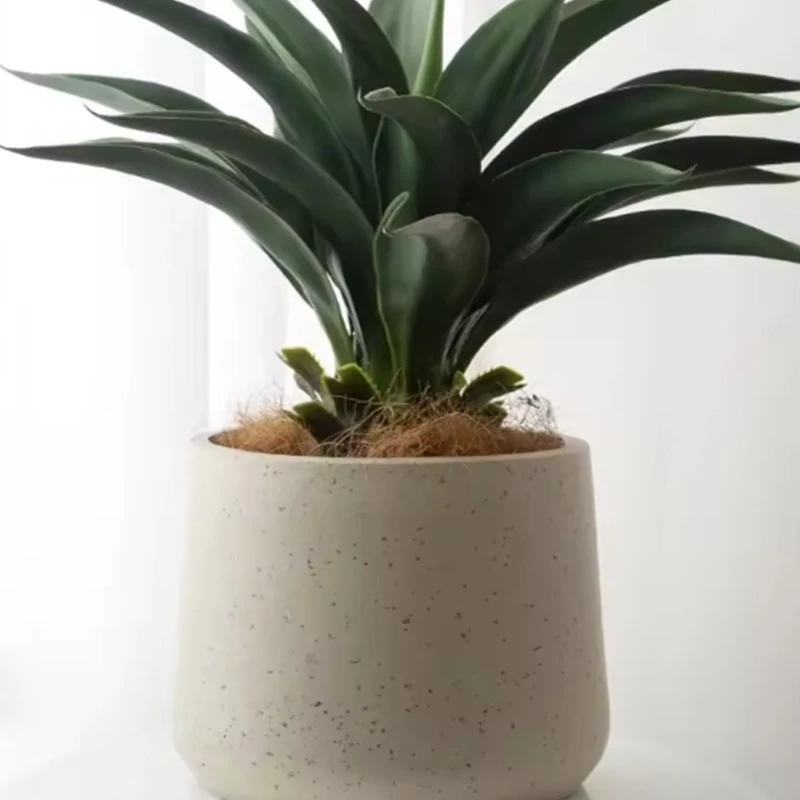
Peace lilies are known for their beautiful white flowers and ability to purify the air. They prefer indirect light and moist soil, so make sure to water them regularly but not overdo it. Snake plants are incredibly hardy and can tolerate a wide range of light conditions, from low to bright. They have long, upright leaves that add a touch of elegance to any room. Pothos is a trailing plant that's easy to care for. It can grow in low to medium light and doesn't need a lot of water. You can hang a pothos in a cement pot from the ceiling or place it on a shelf for a cascading effect.
Conclusion
So, there you have it! A whole bunch of plant options that are suitable for cement flowerpots. Whether you're a beginner gardener or a seasoned pro, there's a plant out there for you and your cement pots.
If you're interested in purchasing high-quality cement flowerpots for your plants, we've got you covered. We offer a wide range of sizes and styles, including the Big Cement Flower Pot, Round Cement Flower Pot, and Outdoor Concrete Flower Pot. If you have any questions or want to discuss your specific needs, feel free to reach out to us. We're here to help you create the perfect plant display with our cement flowerpots.
References
- "Gardening Basics: How to Choose the Right Plants for Your Containers." Gardening Know How.
- "Succulents and Cacti Care Guide." The Spruce.
- "Herbs: Growing and Using in the Kitchen." Better Homes & Gardens.